

Understanding Chemical Peel Frequency: How Often Should You Get a Chemical Peel?

If you’ve ever considered refreshing your skin with a chemical peel, you might be wondering about the best timing for treatments. Chemical peels are a fantastic way to rejuvenate your complexion, smooth texture, and brighten your skin tone. But knowing how often to get a chemical peel is key to achieving beautiful, lasting results without overdoing it. Let’s explore the ideal chemical peel frequency, what factors influence it, and how to care for your skin between sessions.
What Determines Your Ideal Chemical Peel Frequency?
When it comes to chemical peels, there isn’t a one-size-fits-all answer. The frequency depends on several important factors, including:
Type of chemical peel: Peels range from superficial to deep. Superficial peels, like those with alpha hydroxy acids (AHAs), are gentler and can be done more often. Medium and deep peels require longer recovery and less frequent treatments.
Your skin type and concerns: Sensitive or dry skin may need more time between peels, while oily or acne-prone skin might tolerate more frequent sessions.
Your skin’s response: How your skin heals and reacts after a peel will guide the timing of your next treatment.
Your goals: Are you targeting fine lines, pigmentation, acne scars, or overall brightness? Different goals may require different peel strengths and schedules.
For example, a gentle AHA peel might be done every 4 to 6 weeks to maintain glow and smoothness. On the other hand, a medium peel targeting deeper wrinkles or scars might be spaced 3 to 6 months apart to allow full healing.
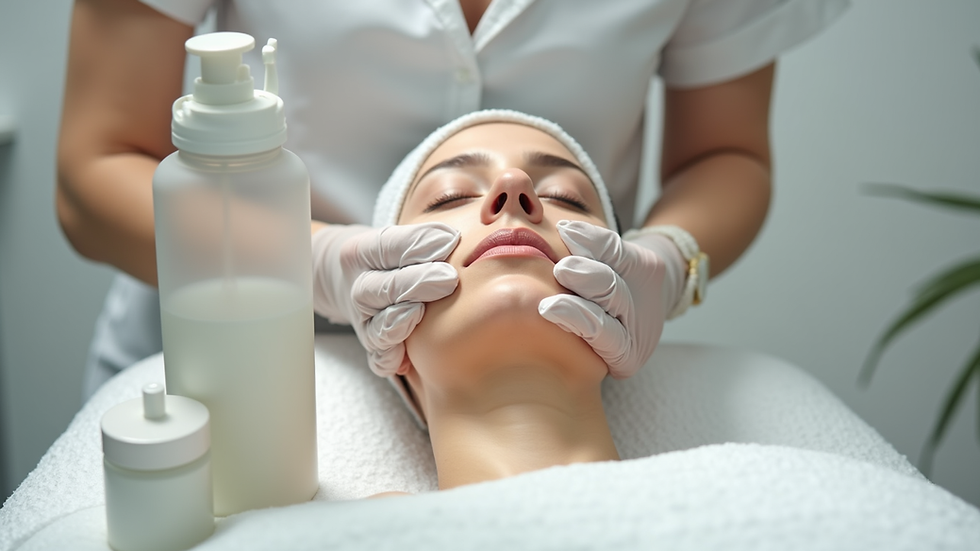
Exploring Chemical Peel Frequency: What’s Typical?
In general, here’s a helpful guideline for chemical peel frequency based on peel type:
Superficial Peels
These are mild peels that exfoliate the outermost layer of skin. They often use ingredients like glycolic acid or lactic acid.
Frequency: Every 3 to 6 weeks
Benefits: Improves texture, brightens skin, and is great for maintenance.
Medium Peels
These penetrate deeper into the skin and often use trichloroacetic acid (TCA).
Frequency: Every 3 to 6 months
Benefits: Reduces fine lines, pigmentation, and moderate scarring.
Deep Peels
These are the most intensive and usually involve phenol or high concentrations of TCA.
Frequency: Once every 1 to 2 years (or as recommended by your provider)
Benefits: Dramatic improvement in wrinkles, scars, and sun damage.
Remember, these are general guidelines. Your skincare professional will tailor the schedule to your unique skin needs and lifestyle.
How Long Should You Wait Between Chemical Peels?
Waiting the right amount of time between peels is crucial for your skin’s health and the success of your treatments. The skin needs time to heal, rebuild collagen, and restore its natural barrier.
Superficial peels: Usually, a 4 to 6 week interval is sufficient. This allows your skin to shed dead cells and regenerate.
Medium peels: These require a longer recovery, often 3 to 6 months between treatments. Your skin will be more sensitive and may peel or flake for several days.
Deep peels: Because of their intensity, deep peels need significant downtime and should only be repeated after a year or more, depending on your provider’s advice.
During the waiting period, it’s essential to protect your skin with sunscreen, gentle moisturizers, and avoid harsh products. This care helps maintain your results and prevents irritation.
What to Expect After a Chemical Peel and How to Care for Your Skin
After a chemical peel, your skin will go through a healing process that varies by peel depth:
Superficial peels: Mild redness and dryness for a few days. You might notice a gentle flaking as dead skin sheds.
Medium peels: Redness, swelling, and peeling for up to a week. Your skin may feel tight and sensitive.
Deep peels: Significant redness, swelling, and peeling that can last 2 weeks or more. You’ll need to follow strict aftercare instructions.
To support your skin’s recovery and maximize benefits:
Use a gentle cleanser and avoid scrubbing.
Apply a rich moisturizer to soothe and hydrate.
Avoid direct sun exposure and always wear broad-spectrum sunscreen.
Skip makeup until your skin has healed sufficiently.
Follow any specific instructions from your skincare professional.
Proper aftercare not only speeds healing but also helps you maintain the glow and smoothness from your peel.
Personalized Approach: Finding Your Perfect Chemical Peel Schedule
Every person’s skin is unique, and so is their ideal chemical peel frequency. When you consult with a skincare expert, they will assess your skin type, concerns, and lifestyle to create a personalized plan. This plan balances effective treatment with safe intervals to keep your skin healthy and radiant.
If you’re curious about how often should you get a chemical peel, reaching out to a trusted provider is the best first step. They can recommend the right peel type and timing to help you achieve your skin goals with confidence.
Taking care of your skin with chemical peels is a wonderful way to refresh and renew your complexion. By understanding the right frequency and following expert guidance, you can enjoy beautiful, glowing skin that feels as good as it looks. Remember, patience and consistency are your allies on this journey to radiant skin. Check out Modara Muse Aesthetics & Wellness in Reston, VA to inquire which type of Chemical Peel is best for you!


Comments